
You’re pulling into your driveway after work when you notice again that small patch on the roof that doesn’t look quite right. Maybe it’s been there for a while, or maybe it’s new. Either way, it sparks a familiar thought: How long is my roof supposed to last, and when will I have to deal with replacing it?
For many homeowners, this question comes up long before a roof actually fails. Understanding how long a roof lasts is essential for planning, budgeting, and protecting your home from unexpected expenses. Roof lifespan affects not just your finances, but also comfort, energy efficiency, and property value.
In this article, you’ll learn what determines roof lifespan, how to recognize when your roof is aging, and how proper care can significantly extend its life, helping you avoid premature replacement and make informed decisions with confidence.
Roof Lifespan: What Every Homeowner Should Know
Roof lifespan refers to the expected length of time a roofing system can perform its job effectively before replacement becomes necessary. On average, residential roofs last anywhere from 15 to 50 years, depending on materials, installation quality, and environmental conditions.
However, no two homes age the same way. Climate exposure, maintenance habits, and ventilation all influence how long a roof lasts. A well-installed and well-maintained roof can often exceed its expected lifespan, while neglect or poor workmanship can shorten it dramatically. Understanding these basics helps homeowners plan ahead rather than react to sudden problems.
Roof Is Reaching the End of Its Life: Key Signs You Can’t Ignore
- Missing, curling, or cracked shingles that no longer seal properly
- Frequent leaks or recurring water stains on ceilings and walls
- A sagging roof structure suggesting underlying issues
- Mold, moss, or algae growth caused by trapped moisture
- Rising energy bills due to poor insulation or ventilation
- Daylight visible through attic roof boards
These warning signs don’t always mean immediate replacement, but they do indicate that your roof’s remaining lifespan may be limited.
Key Elements That Determine How Long Your Roof Lasts
| Factor | Impact on Roof Lifespan |
|---|---|
| Weather Conditions | Rain, hail, wind, heat, and storms accelerate wear |
| Installation Quality | Poor workmanship reduces durability |
| Material Quality | Low-grade materials deteriorate faster |
| Maintenance Level | Neglect leads to early failure |
| Ventilation & Structure | Poor airflow causes moisture damage |
Common Roofing Materials & How Long They Last
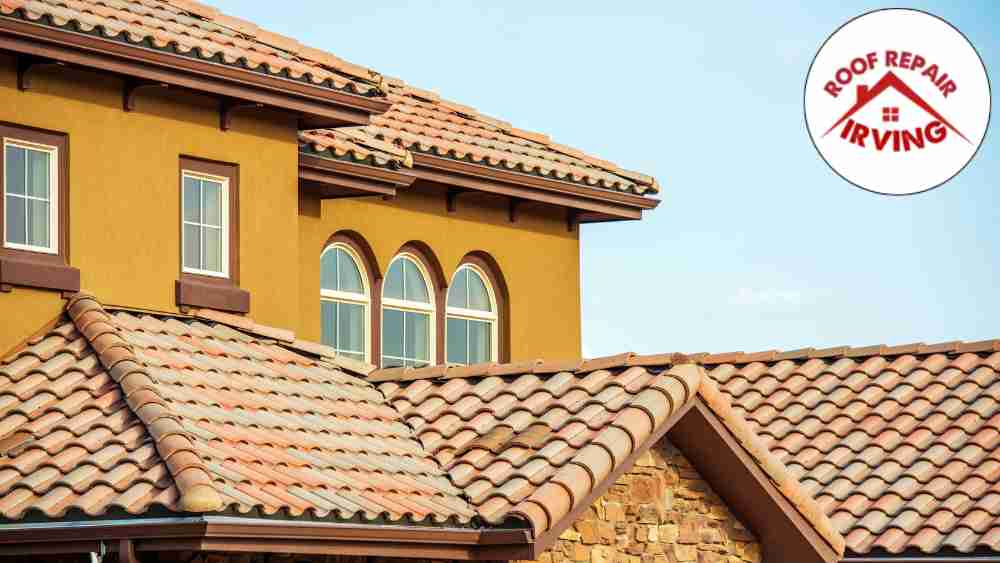
Material choice plays a major role in determining how long a roof lasts. Asphalt shingles are common and offer a balanced lifespan when properly maintained. Metal roofing lasts significantly longer and resists weather damage well. Tile and slate roofs are among the most durable options, often lasting several decades. Wood shakes provide natural aesthetics but require diligent maintenance. Flat roofing systems vary widely depending on membrane type and upkeep.
Choosing the right material for your climate and home design directly impacts durability and long-term performance.
Step-by-Step Roof Aging and Inspection Process
- Initial roof assessment to understand age and history
- Visual exterior inspection for surface damage
- Interior and attic inspection for leaks or moisture
- Checking ventilation and drainage systems
- Identifying weak or high-wear areas
- Documenting visible and hidden damage
- Providing professional recommendations
This process helps homeowners clearly understand roof condition and remaining lifespan before problems escalate.
Benefits of Regular Roof Inspections and Maintenance
Regular inspections are one of the most effective ways to extend how long a roof lasts. They catch minor issues early, preventing them from becoming costly structural problems. Proper maintenance improves energy efficiency by maintaining insulation and airflow, protects interior spaces from water damage, and preserves overall property value.
Inspections also reduce the likelihood of sudden, expensive failures that disrupt daily life.By understanding roof condition early, homeowners gain time to plan repairs or replacement on their own terms rather than reacting under pressure. Safety is another key benefit addressing deterioration early helps avoid hazards caused by weakened roofing systems.
Roof Replacement vs Repairs: What’s the Right Choice?
Repair Is Best When:
- Damage is minor and localized
- The roof is under 10–15 years old
- Issues are isolated and not recurring
Replacement Is Better When:
- The roof is near the end of its lifespan
- Damage is widespread across the surface
- Multiple repairs have already been made
- Structural problems are present
Understanding how long a roof lasts helps guide this decision logically rather than emotionally.
What Determines How Often You Should Replace a Roof
| Factor | Influence on Longevity |
|---|---|
| Roof Size & Design | Complex roofs age faster |
| Climate Exposure | Harsh weather shortens lifespan |
| Material Type | Higher-quality materials last longer |
| Maintenance History | Regular care adds years |
| Installation Standards | Professional work improves durability |
How to Maximize the Lifespan of Your Roof
Maximizing how long a roof lasts starts with consistent care. Schedule yearly inspections to monitor aging, clean gutters to prevent water buildup, and remove debris that traps moisture. Address minor damage promptly before it spreads, and ensure proper ventilation to regulate temperature and humidity. Avoid unnecessary foot traffic on the roof, which can weaken materials over time.
Roof Care Tips for Long-Term Performance
- Trim overhanging tree branches
- Check flashing and seals regularly
- Monitor attic moisture levels
- Address moss or algae growth early
- Ensure proper drainage paths
- Repaint or reseal surfaces when appropriate
- Hire professionals for thorough inspections
FAQ
How long does a new roof last?
The lifespan of a new roof depends on the materials used and how well it is maintained. On average, asphalt shingle roofs last about 20 to 30 years, while metal, tile, or slate roofs can last 50 years or more. Regular inspections, proper ventilation, and timely maintenance can help extend the life of your roof. Harsh weather conditions, poor installation, or lack of care may shorten its lifespan, so it’s important to keep an eye out for signs of wear and damage.
What is the longest-lasting roofing material?
The longest-lasting roofing materials are slate, tile, and metal. Slate and tile roofs can last 50 to 100 years, while metal roofs typically last 40 to 70 years. Asphalt shingles are more common but usually last only 20 to 30 years. Choosing a durable material can save money and provide long-term protection for your home.
Does attic ventilation affect roof life?
Yes! Attic ventilation plays a big role in how long your roof lasts. Proper ventilation allows hot air and moisture to escape from your attic, which helps prevent heat buildup and dampness under your roof. Without good airflow, shingles can age faster, wood can warp, and moisture can lead to mold or rot.
By keeping your attic well-ventilated, you reduce these risks, help your roofing materials perform better, and extend the overall life of your roof. So, good attic ventilation isn’t just about comfort it’s a key factor in protecting your roof and your home.
Does moss destroy a roof’s life?
Yes, moss can shorten a roof’s lifespan if it’s not managed. Moss traps moisture against roofing materials, which can lead to rot, leaks, and damage over time. It can also lift shingles, making them more vulnerable to wind and rain.
Conclusion
Understanding how long a roof lasts gives homeowners clarity, control, and peace of mind. Roof lifespan isn’t fixed, it’s influenced by materials, installation, environment, and, most importantly, maintenance. Regular inspections and timely care prevent premature replacement, reduce long-term costs, and protect your home’s structural integrity.
A roof is more than a covering; it’s a critical asset that safeguards everything beneath it. With proactive care and informed decisions, homeowners can extend roof life, avoid surprises, and preserve property value for years to come so when was the last time you truly evaluated how long your roof might last?