
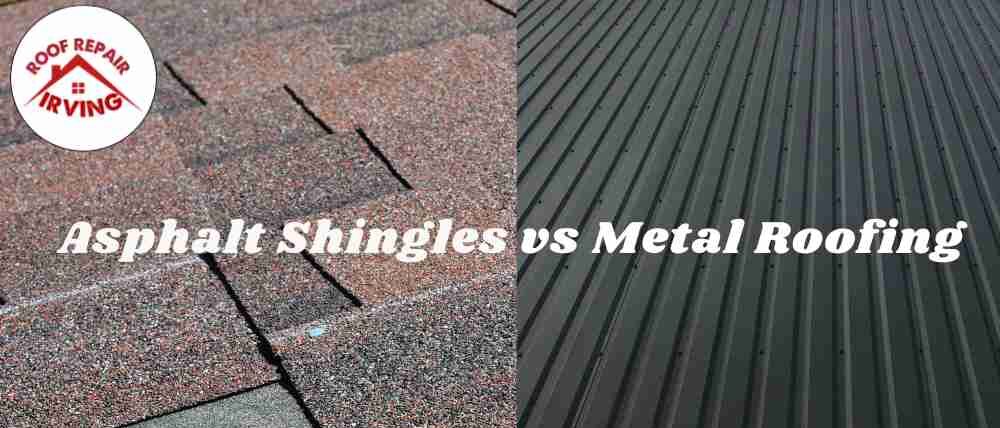
You’ve been staring at your roof for weeks, wondering if it’s time for an upgrade. A few shingles are curling, some granules have washed into the gutters, and storms keep testing your home’s protection. You know the roof matters, but the question lingers: Should you go with asphalt shingles or invest in metal roofing?
Choosing the right roofing material isn’t just about looks; it affects your home’s durability, energy efficiency, maintenance, and long-term comfort. For a homeowner making this choice carefully ensures you avoid repeated repairs, maximize lifespan, and protect your property investment.
In this article, we’ll compare asphalt shingles vs metal roofing in terms of cost, lifespan, maintenance, and performance. You’ll gain practical insights to help you select the option that fits your home, budget, and long-term goals.
How to Choose the Best Roofing Materials for Your Home
The roofing material you choose forms the first line of defense for your home, shielding it from rain, wind, and sun. Asphalt shingles are the most common choice in residential neighborhoods, offering budget-friendly installation and a wide variety of styles. Metal roofing, on the other hand, is recognized for durability and longevity, often lasting decades longer than traditional shingles.
Your climate and budget play a major role in determining which material works best. For instance, must consider summer heat, occasional storms, and potential hail damage when making this decision. Selecting the right material upfront helps prevent costly replacements and repairs down the road.
Key Differences Between Asphalt Shingles and Metal Roofing
- Appearance and Design Options: Asphalt shingles come in many colors and textures; metal roofing offers sleek panels or tile-look finishes.
- Installation Time and Complexity: Asphalt shingles are quicker and easier to install; metal roofing requires specialized techniques.
- Durability and Lifespan: Shingles typically last 20–30 years; metal can last 40–70+ years.
- Maintenance Requirements: Asphalt needs periodic inspection and minor repairs; metal is low maintenance.
- Energy Efficiency: Metal reflects sunlight and can reduce cooling costs; asphalt shingles absorb heat.
- Noise Levels During Rain: Asphalt shingles are quieter; metal roofs can amplify rain sounds unless properly insulated.
- Environmental Impact: Asphalt shingles are petroleum-based and less recyclable; metal roofs are highly recyclable.
Knowing these differences allows you to weigh practicality against aesthetic preferences and long-term goals.
Advantages and Disadvantages Comparison
| Feature | Asphalt Shingles | Metal Roofing |
|---|---|---|
| Durability | Moderate lifespan | Long-lasting, resistant to weather |
| Cost Range | Budget-friendly | Higher upfront cost |
| Maintenance | Requires periodic upkeep | Low maintenance |
| Weather Resistance | Good against rain and wind | Excellent against storms, hail, and heat |
| Eco-Friendliness | Limited recyclability | Highly recyclable and sustainable |
Consider your priorities: upfront cost versus longevity, or ease of maintenance versus long-term performance.
Installation Methods and Repair Approaches
Asphalt shingles are installed in overlapping layers over underlayment, making repairs relatively straightforward. Minor shingle replacement can be done without disturbing the rest of the roof.
Metal roofing installation involves attaching interlocking panels to the roof deck with screws and sealants. Repairs often require panel replacement or sealing of fasteners. Professional installation is crucial for both types to ensure proper sealing, durability, and warranty compliance. Improper installation can lead to leaks, reduced lifespan, and costly repairs.
The Complete Professional Roofing Installation Process Explained
- Roof Inspection and Evaluation: Assess current roof condition and underlying structure.
- Material Selection Consultation: Choose asphalt shingles or metal roofing based on budget, aesthetics, and performance needs.
- Old Roof Removal (if needed): Safely remove the existing roofing materials.
- Surface Preparation: Inspect decking, repair damage, and install underlayment.
- Underlayment Installation: Adds a moisture barrier for long-term protection.
- Roofing Material Placement: Install shingles or metal panels according to manufacturer specifications.
- Final Inspection and Cleanup: Ensure installation quality, seal penetrations, and remove debris.
Following this professional process ensures a durable, long-lasting roof and maximizes your investment.
How the Right Roofing Material Protects Your Home Long-Term
High-quality roofing plays a major role in improving home value by enhancing overall curb appeal and making the property more attractive to potential buyers. Using proper roofing materials also provides enhanced weather protection, helping reduce leaks, storm damage, and moisture-related issues over time.
With a well-installed roof, homeowners benefit from lower long-term maintenance, as fewer repairs and routine inspections are needed throughout the years. Roofing systems can also improve energy efficiency, since metal roofing reflects heat and certain asphalt shingles include reflective coatings that help regulate indoor temperatures.
Increased comfort and safety are additional advantages, as proper insulation and durable protection reduce temperature fluctuations and structural risks. Choosing the right roofing option ultimately safeguards both your home and your finances over the long term.
Roof Replacement Choices: DIY or Expert Help?
DIY Roofing
- Lower initial cost
- Risk of improper installation
- Limited warranty protection
- Safety concerns on steep or complex roofs
Professional Services
- Skilled, certified workmanship
- Manufacturer warranties and compliance
- Proper equipment and safety measures
- Long-term reliability and peace of mind
While DIY may be tempting, professional services ensure quality, durability, and code compliance.
Roofing Expenses: Main Influencing Factors
| Cost Factor | Impact on Budget |
|---|---|
| Roof Size | Larger roofs increase material and labor costs |
| Material Type | Metal costs more upfront than asphalt shingles |
| Labor Complexity | Steep or irregular roofs require more work |
| Removal Needs | Old roof removal adds time and expense |
| Custom Features | Skylights, vents, and trim increase costs |
Understanding these factors helps homeowners plan realistic budgets and avoid surprises.
How to Choose Between Asphalt Shingles and Metal Roofing
When choosing the right roofing option, it’s important to consider local climate conditions such as heat, storms, and hail, as these factors directly affect roof performance and durability. Evaluating your budget constraints and available financing options helps ensure the investment is realistic and manageable.
You should also assess long-term goals, including the roof’s lifespan, maintenance requirements, and impact on home resale value. Checking building codes and regulations for approved roof types and proper installation methods is essential to avoid compliance issues. Consulting roofing professionals provides an unbiased evaluation of the pros and cons of different materials and systems. Thoughtful decision-making ensures you select a roof that fits your lifestyle, budget, and long-term needs.
Roof Maintenance Guide: Asphalt and Metal Styles
- Schedule annual inspections to catch issues early.
- Clean debris and gutters to prevent water buildup.
- Repair minor damage promptly to avoid escalation.
- Check flashing and seals around vents and chimneys.
- Prevent moisture buildup that can cause rot or leaks.
- Monitor attic ventilation for consistent airflow and insulation performance.
Consistent maintenance prolongs lifespan, whether you choose asphalt shingles or metal roofing, and reduces the likelihood of costly repairs.
FAQ
Which is cheaper, asphalt shingles or metal?
In most cases, asphalt shingles are cheaper than metal roofing. Asphalt shingles cost less to buy and install, which makes them a popular choice for many homeowners. Metal roofing usually costs more upfront because the materials and installation are more expensive.
However, metal roofs can last much longer and often need fewer repairs over time. That means even though asphalt shingles are cheaper at first, a metal roof can be more cost-effective in the long run because it may not need to be replaced as soon or require as much maintenance.
Is a metal roof stronger than a shingle roof?
Yes, a metal roof is generally stronger and more durable than a shingle roof. Metal roofs are designed to withstand harsh weather conditions such as heavy rain, strong winds, hail, and extreme heat. They are resistant to cracking, warping, and rotting, which makes them last much longer, often 40 to 70 years with proper maintenance. Metal roofing is also fire-resistant and less likely to suffer damage from mold or pests.
Shingle roofs, especially asphalt shingles, are more affordable and popular, but they are not as strong as metal. They are more likely to be damaged by storms, high winds, and temperature changes. On average, shingle roofs last about 15 to 25 years.
In simple terms, if you are looking for long-term strength, durability, and low maintenance, a metal roof is the better option. However, if budget is your main concern, a shingle roof can still be a practical choice.
Do metal roofs make noise when it rains?
No, metal roofs usually do not make much noise when it rains, especially when they are installed properly. Most metal roofs are placed over solid decking, insulation, and underlayment, which help reduce sound. Because of this, rain and wind noise is often similar to traditional shingle roofs and is barely noticeable inside the home.
Metal roofs may sound louder on sheds or buildings without insulation, but in residential homes, this is rarely a problem. With professional installation, metal roofing remains quiet, durable, and reliable in all weather conditions.
Is it better to have a metal roof or shingles?
Both metal roofs and shingle roofs have their own benefits, and the right choice depends on your budget and needs. Metal roofs are very durable and can last 40–70 years. They resist harsh weather and help save energy by reflecting heat. However, they cost more upfront and need professional installation.
Shingle roofs are more affordable and easy to install. They come in many styles and work well for most homes, but usually last only 15–30 years and may need more maintenance. If you want long-term durability and low maintenance, metal is a good choice. If you prefer a lower-cost option, shingles are often better.
Conclusion
Choosing between asphalt shingles vs metal roofing is about balancing cost, durability, aesthetics, and long-term value. Asphalt offers affordability and ease of repair, while metal provides longevity, energy efficiency, and low maintenance. Professional guidance ensures proper installation and protects your investment.
For homeowners understanding these differences allows you to make informed, practical decisions tailored to your home and climate. Investing in the right roofing material today pays off in comfort, safety, and reduced costs over the years.