
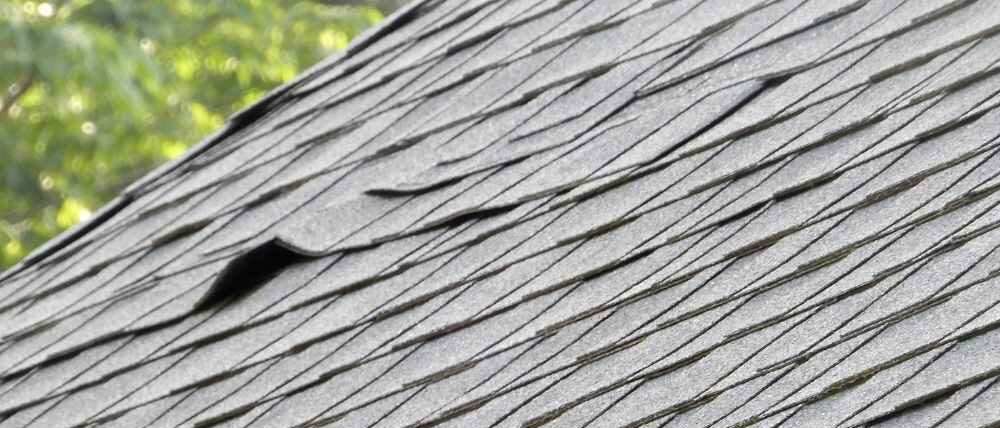
Storms can leave your roof vulnerable to serious damage, from missing shingles to hidden leaks that threaten your home’s interior. Knowing how to roof storm damage repair is essential for every homeowner, as acting quickly can prevent minor problems from turning into costly repairs.
We’ll guide you through practical steps to inspect your roof after a storm, identify damage, and carry out effective repairs. You’ll learn how to handle everything from small leaks to larger structural issues, as well as tips to protect your roof from future storms.
Whether you plan to do the repairs yourself or hire a professional, understanding the process helps you make informed decisions. By following these strategies, you can restore your roof’s strength, ensure your home stays safe, and gain peace of mind even after severe weather.
Why Roof Storm Damage Repair Is Crucial for Every Home
Storms can cause significant damage to your roof, and even minor issues, if ignored, can lead to bigger problems such as
- Interior water damage
- Mold and mildew growth
- Structural roof deterioration
- Higher repair or replacement costs later
When we act quickly after a storm, we reduce the risk of long-term damage and protect the value of our home. Roof storm damage repair isn’t just about fixing what you see it’s about preventing what you don’t.
Common Signs of Storm Damage on Your Roof
Not all roof damage is obvious from the ground. After a storm, you should carefully look for warning signs that indicate you need roof storm damage repair.
Exterior Roof Damage
- Missing or broken shingles caused by high winds
- Hail impact marks, dents, or cracks
- Granule loss collecting in gutters or downspouts
- Damaged flashing around vents, chimneys, or skylights
- Loose roofing materials or exposed underlayment
Interior Warning Signs
- Water stains on ceilings or walls
- Damp attic insulation
- Musty odors or visible mold
- Dripping water during or after rain
If you notice any of these, it’s time to take action.
Step-by-Step Roof Storm Damage Repair Process
Knowing what to do after a storm gives you control during a stressful time.
Step 1: Prioritize Safety First
Before inspecting anything, make sure conditions are safe. Wait until the storm has fully passed and avoid climbing onto a wet or unstable roof. If the roof looks unsafe, don’t risk injury professional roofers have the right equipment and experience.
Step 2: Perform a Visual Inspection
From the ground, use binoculars to look for visible damage. Inside your home, check ceilings, walls, and the attic for leaks or moisture. This initial inspection helps you understand the severity of the damage.
Step 3: Document Everything
Documentation is critical, especially for insurance claims. Take clear photos and videos of:
- Roof damage from multiple angles
- Interior water damage
- Fallen debris or broken materials
Keep records of the storm date and any temporary repairs you make.
Step 4: Make Temporary Repairs
Temporary fixes help prevent additional damage until permanent roof storm damage repair is completed. This may include:
- Covering exposed areas with tarps
- Securing loose shingles
- Blocking small leaks from inside
These repairs are not permanent solutions, but they protect your home in the short term.
Step 5: Contact Your Insurance Company
Notify your insurance provider as soon as possible. Share your documentation and follow their claim process. An adjuster may inspect your roof to assess coverage.
Step 6: Hire a Professional Roofing Contractor
For lasting roof storm damage repair, professional help is essential. A qualified roofing contractor will:
- Identify hidden damage
- Use proper materials and techniques
- Follow local building codes
- Provide warranties on labor and materials
Professional repairs save you money and stress in the long run.
DIY vs. Professional Roof Storm Damage Repair
Many homeowners ask whether they can handle repairs themselves. The answer depends on the extent of the damage.
When DIY May Be Acceptable
- Replacing one or two easily accessible shingles
- Installing a temporary tarp
- Clearing debris from gutters
Even then, safety precautions are essential.
When You Need a Professional
- Widespread shingle damage
- Hail damage across large roof sections
- Structural issues or sagging
- Repeated leaks or hidden moisture
Roof storm damage repair often involves more than what we can see. Professionals ensure the entire roofing system is restored properly.
Types of Storm Damage Affecting Roofs
Different storms cause different types of roof damage. Understanding these helps you recognize what kind of repair may be needed.
Wind Damage: Strong winds can lift shingles, loosen flashing, and expose the roof deck. Even slightly lifted shingles can allow water intrusion.
Hail Damage: Hail can crack shingles, knock off granules, and reduce your roof’s lifespan. Damage may not leak immediately but worsens over time.
Water Damage: Heavy rain can exploit weak points, leading to leaks, rot, and mold. Flat and low-slope roofs are especially vulnerable.
Debris Damage: Falling branches or flying objects can puncture roofing materials and cause structural problems.
When Roof Storm Damage Repair Is Not Enough
Sometimes, storm damage is too severe for simple repairs. You may need a full roof replacement if:
- Your roof is near the end of its lifespan.
- Damage is widespread across the entire roof.
- The roof deck is compromised.
- Repair costs approach replacement costs.
How to Prevent Future Storm Damage to Your Roof
While no roof is storm-proof, proactive steps reduce risk and repair costs.
Schedule Regular Roof Inspections: Annual inspections and post-storm checkups catch problems early.
Maintain Gutters and Drainage: Clean gutters prevent water backup and roof edge damage.
Trim Nearby Trees: Overhanging branches are a major source of storm-related roof damage.
Upgrade Roofing Materials: Impact-resistant shingles and durable metal roofing perform better in severe weather.
Ensure Proper Ventilation: Good attic ventilation reduces moisture buildup and prevents roof deterioration.
Working With Insurance for Roof Storm Damage Repair
Insurance claims can feel overwhelming, but preparation helps.
- Understand your policy coverage and deductible
- Keep detailed records and photos
- Communicate clearly with adjusters
- Consider contractor assistance during inspections
Having professionals involved often results in fairer claim outcomes.
Why Choose Local Professionals for Roof Storm Damage Repair
Local roofers understand the regional climate, building codes, and common storm patterns. Choosing local experts means faster response times, personalized service, and reliable long-term support.
They are familiar with the materials and techniques that work best in your area, can identify hidden damage more accurately, and often offer practical maintenance tips to prevent future problems. By hiring professionals nearby, you also support the local economy while ensuring your home receives attentive, trustworthy care from people who know the area’s unique roofing challenges.
FAQs
How Soon Should You Schedule Roof Storm Damage Repair After a Storm?
You should arrange a roof inspection as soon as it’s safe ideally within 24 to 48 hours. Acting quickly helps prevent minor damage from escalating into major, costly repairs. Early inspections also make it easier to document issues for insurance claims, ensuring you receive the coverage you’re entitled to. Prompt action protects your home, preserves your roof’s lifespan, and gives you peace of mind after severe weather.
Can You Stay in Your Home During Roof Storm Damage Repair?
In most cases, yes. Minor or moderate repairs usually allow you to remain in your home safely. For extensive damage or a full roof replacement, your contractor will advise if temporary relocation is necessary. Staying informed about the repair scope helps you plan ahead and ensures your safety and comfort throughout the process.
Will Insurance Cover Roof Storm Damage Repair?
Most homeowner insurance policies cover storm-related roof damage caused by hail, wind, or heavy rain. Coverage depends on your specific policy terms, deductibles, and proper documentation of the damage. Filing promptly and providing detailed evidence can help ensure your claim is approved and that you receive the support needed to repair your roof efficiently.
How long does roof storm damage repair usually take?
Minor repairs may take a few hours, while extensive repairs can take several days. Full roof replacements typically take one to three days, depending on size and weather conditions.
Conclusion
Roof storm damage repair shouldn’t be put off. Even if a storm passes quickly, the damage it causes can lead to leaks, structural problems, and expensive repairs if left unchecked. Acting quickly, documenting the damage, and relying on experienced professionals protects your home, your investment, and your peace of mind.
If your roof has suffered storm damage, schedule an inspection as soon as it’s safe. Carefully record any issues and take action promptly. Early repair prevents minor problems from escalating into major ones, keeps your home secure, and extends the life of your roof. By addressing storm damage quickly, you ensure lasting protection and avoid unnecessary costs down the road.