
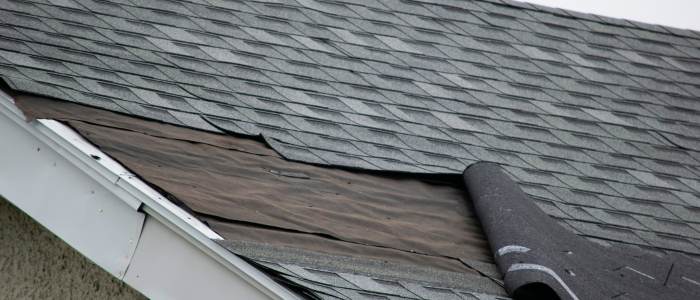
If your roof is leaking right now, stop what you’re doing and pay attention. A roof leak is never just a minor inconvenience — it’s an emergency that demands immediate action. As a professional roofer with years of hands-on experience across residential and commercial properties, I’ve responded to hundreds of emergency leak calls. And I can tell you this with complete confidence: the homeowners and property managers who act fast always pay less and suffer less damage than those who wait.
Water is deceptively destructive. In just a few hours, a small drip can soak through insulation, warp wooden beams, stain drywall, trigger mold growth, and compromise the structural integrity of your entire roof system. What starts as a $300 repair can quickly turn into a $10,000 nightmare if ignored.
This guide will walk you through everything you need to do — right now, today — if your roof is leaking. We’ll cover emergency steps, how to find the source of the leak, temporary fixes, when to call a professional, what repairs cost, and how to protect yourself from future leaks.
Step 1: Stay Calm and Contain the Water
The moment you notice a leak, your first priority is limiting the damage inside your home or building. Grab every bucket, pot, trash can, or container you can find and place them under the dripping water. Lay down old towels, tarps, or plastic sheeting to protect your flooring, rugs, and furniture.
If you notice your ceiling is bulging or sagging due to water pooling above it, take a screwdriver or sharp object and carefully puncture a small hole in the center of the bulge. This sounds counterintuitive, but it controls where the water releases — preventing the entire ceiling section from suddenly collapsing under the weight. Trust me, a small hole is far better than a ceiling cave-in.
Move electronics, valuables, important documents, and furniture out of the affected area as quickly as possible. Water damage to belongings is often irreversible, and your insurance may not cover everything inside. The goal right now is simple: stop the bleeding.
Step 2: Document Everything Before You Clean Up
Before you mop up a single drop of water, grab your phone and take photos and videos of everything. Document the ceiling damage, the water intrusion, any staining, and any damage to your belongings. This documentation is critical if you plan to file a homeowner’s insurance claim — and in many storm-related cases, you absolutely should.
Make a written note of when you first noticed the leak and what the weather conditions were like. Insurance adjusters will ask these questions, and having clear answers protects you.
Step 3: Locate the Source of the Leak
Here’s where most homeowners go wrong — they assume the leak is directly above where the drip appears inside the house. In reality, water travels. It can enter your roof at one point, run along a rafter or piece of sheathing, and drip down somewhere completely different inside your home.
If it is safe to do so, head up to your attic with a flashlight. Look for:
- Wet or stained insulation — a telltale sign of water intrusion
- Water stains or dark streaks on rafters and sheathing
- Daylight visible through the roof boards — a serious warning sign
- Mold or mildew growth — indicates a long-standing or recurring leak
- Dripping or pooling water — trace it back toward the roof deck
Common sources of roof leaks include damaged or missing shingles, failed flashing around chimneys, skylights, and vents, cracked or deteriorated pipe boots, clogged gutters causing water backup, valleys where two roof sections meet, and ice dams in colder northern states. Each of these requires a different repair approach, which is why professional diagnosis is so important.
Step 4: Apply a Temporary Fix If It Is Safe
Let me be very clear about one thing: never climb onto a wet, icy, or steep roof during a storm or in dangerous weather conditions. Every year, people are seriously injured or killed attempting emergency roof repairs. Your safety is worth more than any property damage.
That said, if conditions are safe and you have some basic supplies, here are temporary measures that can slow the damage until a professional arrives:
Use a roofing tarp. A heavy-duty polyethylene tarp placed over the damaged section and secured with wood boards or sandbags can stop water from entering. This is the single most effective temporary solution available to homeowners.
Apply roofing cement or caulk. For small cracks around flashing, vents, or pipe penetrations, roofing cement applied with a putty knife can create a temporary waterproof seal. This is not a permanent fix, but it buys you time.
Clear your gutters. If clogged gutters are contributing to the leak by causing water to back up under your shingles or fascia, clearing them out immediately can help reduce water intrusion. Do this only from a ladder on stable ground — not from the roof itself.
Again, these are band-aid solutions. They reduce damage in the short term but do not address the underlying problem. A licensed roofer must inspect and properly repair the source of the leak.
Step 5: Call a Licensed Roofing Professional Immediately
This is the most important step in the entire process. A qualified, experienced roofer will do things no DIY fix can accomplish. They will safely access your roof and identify the true source of the leak — not just the visible symptoms. They will assess the full extent of water damage, including hidden damage inside your roof system, attic, and structural components. They will recommend the most appropriate and cost-effective repair solution. And they will execute that repair with professional-grade materials and techniques that actually last.
When choosing a roofer, look for proper licensing and insurance, local experience in your area, a track record of positive reviews, clear written estimates, and warranties on both labor and materials. Avoid any contractor who pressures you into an immediate full replacement without a proper inspection, asks for large cash payments upfront, or cannot provide proof of insurance. Unfortunately, storm chasers and fly-by-night contractors are common after severe weather events across the Area.
How Much Does Roof Leak Repair Cost
One of the first questions homeowners ask is about cost. The answer depends on the severity of the leak, the type of roofing material, the location of the damage, and local labor rates. Here is a general breakdown of typical roof leak repair costs across the United States:
| Repair Type | Average Cost |
| Minor shingle repair or patch | $150 – $400 |
| Flashing repair (chimney, skylight, vent) | $200 – $600 |
| Pipe boot or penetration seal replacement | $150 – $500 |
| Valley repair | $300 – $800 |
| Fascia or soffit repair | $500 – $1,500 |
| Major structural or deck repair | $1,000 – $3,500 |
| Partial roof replacement | $2,000 – $8,000 |
| Full roof replacement | $5,500 – $15,000+ |
Acting quickly almost always keeps you in the lower end of these ranges. Waiting turns minor repairs into major ones.
Does Homeowner’s Insurance Cover Roof Leaks?
In many cases, yes — but it depends on the cause of the leak. Most standard homeowner’s insurance policies in the Area cover roof damage caused by sudden and accidental events such as windstorms, hail, falling trees, and lightning strikes. They typically do not cover damage caused by neglect, age-related wear and tear, or lack of maintenance.
Here is what you should do to maximize your chances of a successful insurance claim. First, document all damage thoroughly with photos and videos before any cleanup or repairs begin. Second, contact your insurance company as soon as possible to report the damage and start the claims process. Third, get a written damage assessment from a licensed roofing contractor — most reputable roofers provide these at no charge or low cost. Fourth, do not authorize any permanent repairs until your insurance adjuster has inspected the damage, unless emergency temporary repairs are needed to prevent further damage.
A good roofing contractor will often work directly with your insurance company to make the process as smooth as possible.
Warning Signs Your Roof May Be About to Leak
Prevention is always better than emergency repair. If you are not currently dealing with a leak but want to stay ahead of potential problems, watch out for these warning signs that your roof may be in trouble:
- Water stains or yellowish-brown discoloration on your ceilings or walls
- Curling, cracking, buckling, or missing shingles
- Excessive granule loss — look for granules collecting in your gutters
- Sagging or uneven areas on your roof deck
- Visible daylight through your attic boards
- Mold, mildew, or musty smells in your attic or upper floors
- Damaged, loose, or missing flashing around chimneys and vents
- Gutters that are pulling away from the roofline
- A roof that is 20 years or older without a recent professional inspection
Annual roof inspections by a licensed professional are one of the smartest investments any homeowner or commercial property owner can make. A thorough inspection typically costs between $150 and $350 and can catch problems before they become emergencies.
Commercial Roof Leaks: What Property Managers Need to Know
Roof leaks on commercial properties carry additional risks that go beyond those in residential settings. A leak in a commercial building can damage inventory, equipment, and tenant property. It can create liability issues if customers or employees are injured. It can trigger business interruption and significant financial loss.
Commercial roofing systems — including flat roofs, TPO membranes, EPDM rubber roofs, and metal roofing — require specialized knowledge and repair techniques that differ significantly from residential shingle roofing. If you manage a commercial property and are experiencing a roof leak, call a commercial roofing specialist immediately. Do not attempt to repair a flat or membrane roof without professional training and proper equipment.
Regular commercial roof maintenance programs, including twice-yearly inspections and preventative sealing, are strongly recommended for any commercial property owner in the area.
FAQs
How do I know if my roof leak is serious?
Any active roof leak should be treated as serious. However, signs that indicate a particularly urgent situation include water dripping directly onto electrical fixtures or wiring, large areas of ceiling staining or sagging, visible mold growth in your attic or on walls, and structural components that appear warped, soft, or rotted. If you notice any of these signs, contact a roofing professional immediately. Do not attempt to use any electrical fixtures in the affected area until the situation has been assessed.
Can I fix a roof leak myself?
Minor temporary fixes such as placing a tarp or applying roofing cement to a small crack are things a careful homeowner can do safely from the ground or a stable ladder. However, a proper, lasting repair requires a licensed roofing professional. Attempting a full DIY repair without training and proper equipment can result in personal injury, further roof damage, and voided warranties on your roofing materials. It can also create issues with insurance claims if the damage worsens as a result of an improper repair.
How long can I wait before repairing a roof leak?
The honest answer is: not long at all. Even a slow, minor drip can cause significant damage within 24 to 48 hours. Prolonged water exposure leads to mold growth, rotted wood, damaged insulation, stained drywall, and compromised structural integrity. What might be a $300 repair today can easily become a $3,000 or $5,000 repair if left unaddressed for weeks or months. Always treat a roof leak as an urgent matter and contact a roofer as soon as possible.
Will my homeowner’s insurance pay for roof leak repairs?
It depends on the cause. If the leak was caused by a sudden event such as a storm, hail, wind, or a falling tree, your homeowner’s insurance policy will very likely cover the repair costs, minus your deductible. If the leak is the result of aging materials, poor maintenance, or general wear and tear, insurance typically will not cover it. Always document the damage thoroughly, file your claim promptly, and get a written assessment from a licensed roofer to support your claim.
Final Thoughts
A leaking roof is one of the most stressful things a homeowner or property manager can face. But the good news is that with fast action and the right professional help, most roof leaks can be repaired efficiently and affordably. The key is not to wait.
Contain the water. Document the damage. Apply a temporary fix only if it is safe to do so. And most importantly, call a licensed roofing professional as soon as possible. The longer water sits in your roof system, the more expensive and complex the repair becomes.
Your roof is your first line of defense against the elements. Treat it that way.